Introduction

Inclusive Peace and Development in Africa (IPADA) is a board-led organization established in Addis Ababa, Ethiopia, in accordance with the Civil Society Organizations Proclamation No. 1113/2011. It engages in action research, technical training, advisory roles, and the implementation of projects that contribute to poverty reduction, employment generation, gender equality, peace, development, and humanitarian relief.

The key areas of IPADA interests include agricultural transformation, promotion of quality education and health services, adoption of new technologies, and empowerment of youth and women.

The organization upholds the principle of local protagonism – a sense of local drive, ownership and leadership that ensures project success and sustainability. Moreover, as a matter of principle, IPADA works in collaboration with partners to pool resources, foster innovation and cost-effectiveness, and improve efficiency. Hence, the organization is open to a synergetic approach that allows effective interaction between different actors. IPADA’s management and board members have rich and extensive experiences in academic works, government administration, and development interventions. They are seasoned experts with multiple connections ranging from local actors to federal authorities, not to mention their international networks.

Our Vision

Our vision is an attainment of peaceful coexistence of people and equitable development.

Our Mission

IPADA aims at transforming the lives of vulnerable communities across Ethiopia and Africa by delivering integrated programs in humanitarian assistance, sustainable development, peace-building, and capacity development. Through strategic partnerships, IPADA seeks to create meaningful and systemic change that promotes equality, resilience, and lasting peace.

Our Principles/Values

Inclusivity

Ensuring the equitable participation of marginalized and underserved groups.

Sustainability

Focusing on solutions that address root causes and foster long-term development.

Empowerment and ownership

Enabling communities to lead and sustain initiatives.

Collaboration

Building meaningful partnerships to amplify collective efforts and impact.

Innovation

Applying cutting-edge solutions to address evolving humanitarian and development challenges by importing, designing and adopting new innovations.

Integrity

Ensuring transparency, accountability and ethical standards in all operations.

Strategic Objectives and Core/Focus Activities of IPADA

Humanitarian Assistance

  • Provide immediate and essential support, including food, medical supplies, shelter, and non-food items, to individuals and communities affected by natural and man-made crises.

Sustainable Development

  • Enhance agricultural productivity through providing improved seeds, animal breed and feed improvement, veterinary care and access to modern farming techniques and innovations. 
  • Promote and support income-generating activities.
  • Expand access to healthcare systems like reproductive, Maternal, neonatal, child and Adolescent health (RMNCAH), Immunization, Nutrition and health services and medical equipment facilities
  • Expand access to critical social services including education and water infrastructure.

      Promoting harmonies coexistence of communities

      • Support community-driven dialogue to address differences and incompatibilities.
      • Support post-conflict reconstruction to restore livelihoods and social cohesion.

      Capacity Development

      • Facilitate skills training, technology transfer, and knowledge sharing
      • Empower communities (youth, disables and women) for job creation and self-reliance.
      • Provide specialized programs to support peace-building, entrepreneurship, and social cohesion.

      Environmental Rehabilitation and Climate Resilience

      • Restore ecosystems and rehabilitate livelihoods affected by climate change and environmental degradation through providing and promoting planting trees.
      • Promote sustainable practices to mitigate future environmental challenges.

      Research and Advocacy

      • Conduct actionable research on pressing development.
      • Advocate for policy changes informed by data-driven insights to support sustainable and inclusive development.

      Partnerships and Collaboration

      • Strengthen alliances with governments, NGOs, academic institutions, private enterprises, and international organizations to achieve shared development goals.

      Geographical Focus

      IPADA operates across Ethiopia, with a strategic focus on regions most affected by poverty, conflict, and environmental challenges. Priority areas include post-conflict zones, rural underserved communities and regions experiencing significant humanitarian crises.

      Key Stakeholders

      • Vulnerable, underserved and marginalized communities
      • Local and national governmental institutions
      • Non-governmental organizations (NGOs)
      • Academic and research organizations
      • Private sector entities
      • International development and humanitarian partners

      Organizational Profile

      organizational structure IPADA
      Current Interventions and Achievements
      I. Human Health Service

      Inclusive Peace and Development (IPADA) conducted a reconnaissance and networking mission in Ari Zone (South Ethiopia Region) between 03 and 10 May 2024. Based on the request received from the relevant actors during this period, a weeklong health campaign was held in Jinka General Hospital (JGH) between 25 June 2024 and 02 July 2024, and IPADA focused on the treatment of four health problems: maxillofacial deformities, cataract, utero-vaginal prolapse (UVP), and fistula. During the first campaign, more than 2000 patients were seen and some 970 patients have received medical treatment and support. The campaign, which is highly welcomed by local communities and authorities will continue periodically, and the next major campaign is scheduled for December 2024 and January 2025.

      Human Health Service IPADA
      Human Health Service IPADA
      Human Health Service IPADA
      Human Healh Service IPADA INCLUSION
      II. Medical Equipment Support for Tigray Region

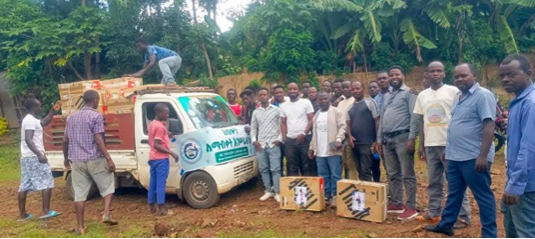
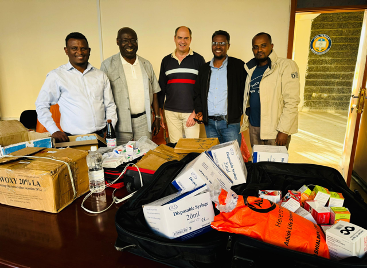
      The IPADA Initiating Team, in collaboration with stakeholders, collected essential medical equipment and supplies from Spain and facilitated their shipments to hospitals in the Tigray Region. This effort equipped 5 hospitals and addressed critical healthcare shortages, enhancing service delivery and patient care. The initiative, welcomed by local health authorities, highlights IPADA’s commitment to improving healthcare access through strategic partnerships and collaborative action.

      Medical Equipment Support for Tigray Region IPADA
      Medical Equipment Support for Tigray Region IPADA
      Medical Equipment Support for Tigray Region IPADA INCLUSION
      Medical Equipment Support for Tigray Region IPADA

      III. Support for Education and Digital Advancement

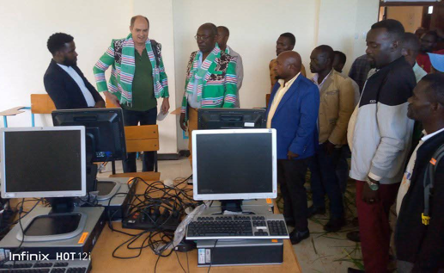
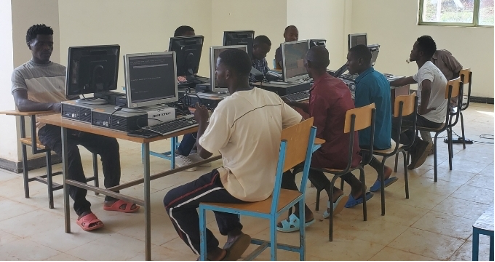
      IPADA enhanced education and digital capacity by providing 60 computers from Spain to Gazer Construction and Industrial College in the Southern Ethiopia Region. This contribution supports improved learning resources and technological advancement for students and staff.

      IV. Support for School Sanitation Facilities
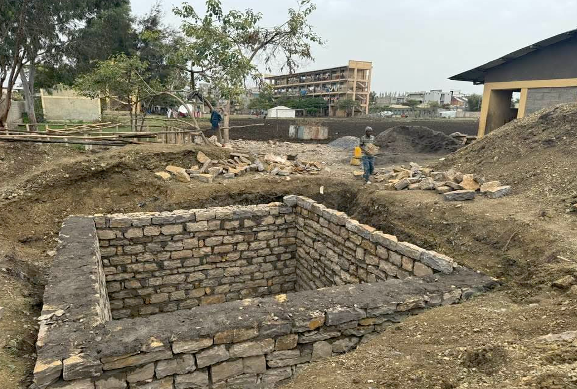
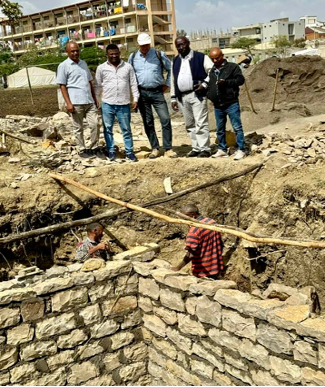
      In collaboration with stakeholders, IPADA initiated and supported the construction of toilets in a school that hosts internally displaced people in Mekelle, Tigray. From the inception to the completion, IPADA contributed resources, provided oversight, and ensured the project's successful implementation, improving sanitation and living conditions for the community.

      V. Safe water

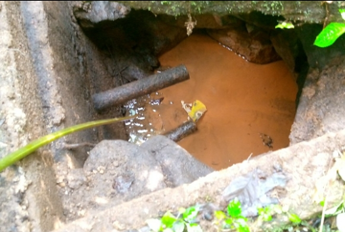
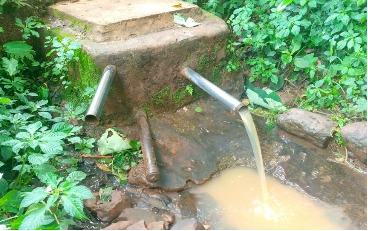
      In May 2024, the South Ari Woreda (District) Administration requested IPADA to help with the maintenance of 31 springs, which have been damaged due to different factors. The Woreda and IPADA assessed the extent of the damage, estimated the cost of maintenance, and successfully secured the collaboration of four other organizations working on water. The six partners are currently implementing the maintenance of the 31 springs in South Ari Woreda. Moreover, based on expressed local interests and demonstrated local initiatives, IPADA plans to participate in collaborative project on underground water mapping in Tigray Region and spring development in South Ethiopia Region.

      VI. Synchronization, artificial insemination and deworming in cattle
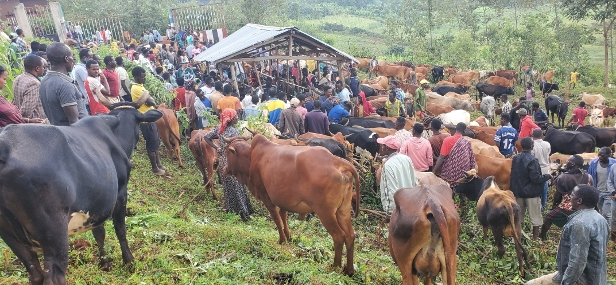
      In response to requests for collaboration from Tigray Region and South Ethiopia Region, IPADA has been coordinating a mass synchronization and artificial insemination in cattle and deworming to all animals in 5 districts of Tigray, and in all woredas and town administrations of Ari Zone, South Ethiopia Region. While IPADA provided hormones for the synchronization and drugs for deworming, other partners including relevant government agencies and universities played their part in mobilizing the campaign, deploying experts, and provision of inputs such as liquid nitrogen and sexed semen, among others. More than 5000 cows (4000 in Tigray Region and 1000 in Ari Zone) are expected to be inseminated in the course of the campaign.
      Why Choose IPADA?
      • Proven leadership and expertise in delivering impactful, community-focused programs at the underserved and marginalized community.
      • Strong partnerships with high-level and diverse stakeholders to drive scalable change.
      • Commitment to evidence-based solutions that address systemic challenges.
      • A trusted name in promoting peace, development, and resilience across the country.


      Contact Address
      • Prof. Gebre Yntiso Deko
      • +251911653511
      • This email address is being protected from spambots. You need JavaScript enabled to view it.
      • Arada Sub-City, Woreda 5; House No. 870; Addis Ababa; Ethiopia